I hope you find my writing and business tips and observations useful. My business and blog are dedicated to helping businesses communicate clearly and reach their potential.
Read, and enjoy!Tash

Using mocks in projects
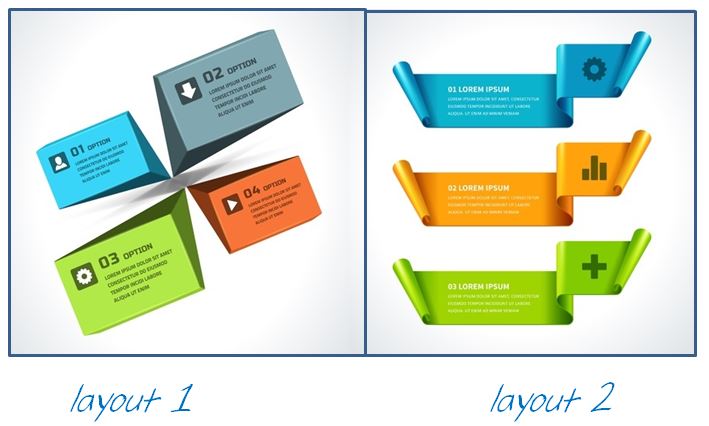
Having a mock design can make it much easier to plan content and other elements of a project
Getting a designer to prepare a visual mock early in a communications project will cost money of course, but it can often be well worth the expense. I am lucky in working with a designer who quickly grasps my intentions so can produce lovely mocks relatively easily. The mocks then form a basis for developing the main project, which often does not even involve my designer. From recent projects, having a mock prepared early in the process has meant:
- you can put various ideas in one place so details aren’t forgotten or overlooked
- everyone involved can see what is being discussed. Otherwise, everyone assumes they are imagining the same thing but could actually have some very different ideas of what is being developed.
- when giving the brief to a supplier, it is easy to ensure they understand how the final version should look and to specify key details. This obviously doesn’t apply to a design-based project but is very helpful for software or construction projects
- for non-designer suppliers, you can get a much better result if you show them what it is to look like – they can copy the design and save time
- you can be working on the content and other refinements while the underlying structure is being developed. For example, while the technical people are building the software, I can be working on the content of the user screens as I know where text will go (e.g. a heading and two short sections or one long section)
Before you start a new project and rely on written descriptions and your own rough sketches, think about the potential value of having a mock designed for your planning and briefing processes. Are you a visual person? If so, having a mock to work from is probably much easier for you. If you’re not quite so visual, don’t underestimate how powerful a visual can be for many people and how it can aid communication. Can you remember times when a mock made a project flow better than expected?
* Images courtesy of 123RF



Leave a Reply